


- Wet Underfloor Heating
- Wet UFH Packs
- In Screed UFH Packs
- Timber UFH Packs
- Uponor Minitec UFH Packs
- Accessories
- Pipe
- Manifolds
- Spares
Wet Underfloor Heating
- Electric Underfloor Heating
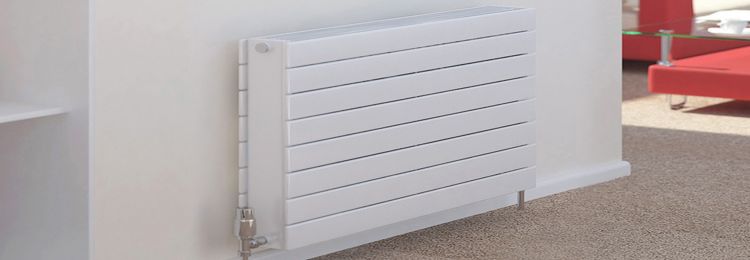
- Radiators
- Thermostats & Controls
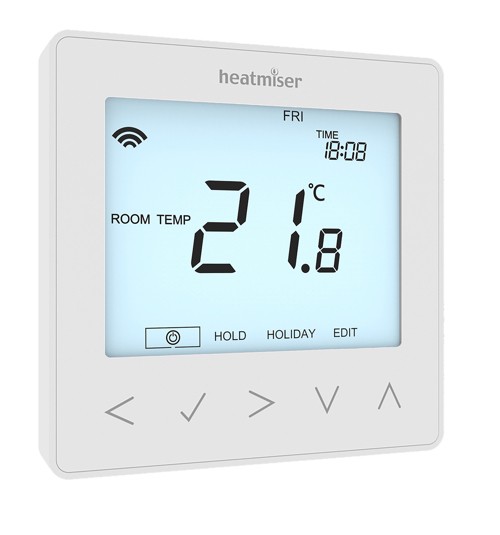
Thermostats and Controllers
- Heat Pumps
- Pre-Insulated Pipe
- Uponor Ecoflex Thermo VIP Single & Twin Pre Ins Pipe
- Uponor Ecoflex Thermo Mini & Single Pre Insulated Pipe
- Uponor Ecoflex Thermo Twin Pre Insulated Pipe
- Ecoflex Thermo HP Connection Pack with Pipe
- Uponor Ecoflex Thermo HP Twin Pipe
- Uponor Ecoflex Aqua Pre Insulated Pipe
- Uponor Ecoflex VIP Aqua Single & Twin
- Uponor Ecoflex Supra Pre-Insulated Pipe
- Uponor Ecoflex Quattro Pre Insulated Pipe
- Uponor Ecoflex End Caps
- Uponor Ecoflex Couplings
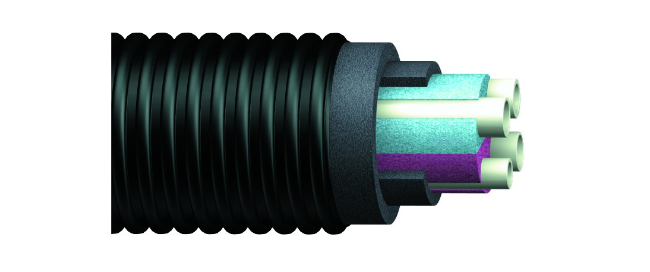 Uponor Pre-Insulated Pipe
 - Spares
Best Underfloor Heating Systems UK | Wet vs Electric Guide 2026
Picture this. It is a freezing cold January morning. You drag yourself out of bed, take a step, and instead of freezing your toes off on icy floorboards, you are greeted by a lovely, gentle wave of warmth. No clunky, dusty radiators rattling on the walls, just pure comfort right under your feet. It sounds like something you only get in luxury hotels, but thousands of UK homeowners are making this a reality every single day.
Whether you are updating a tired old room, building your dream extension, or completely stripping back a fixer-upper, finding the right heating system is a major decision. You have probably seen a lot of talk about underfloor heating, but trying to figure out what actually works can feel a bit overwhelming.
Let's clear the air and look at exactly how these systems work in normal, everyday language.
Wet vs Electric Underfloor Heating: What is the Difference?
When you start shopping around, you will see two main options. They both do a brilliant job of keeping you warm, but they go about it in completely different ways.
Wet Underfloor Heating (The Water Route)
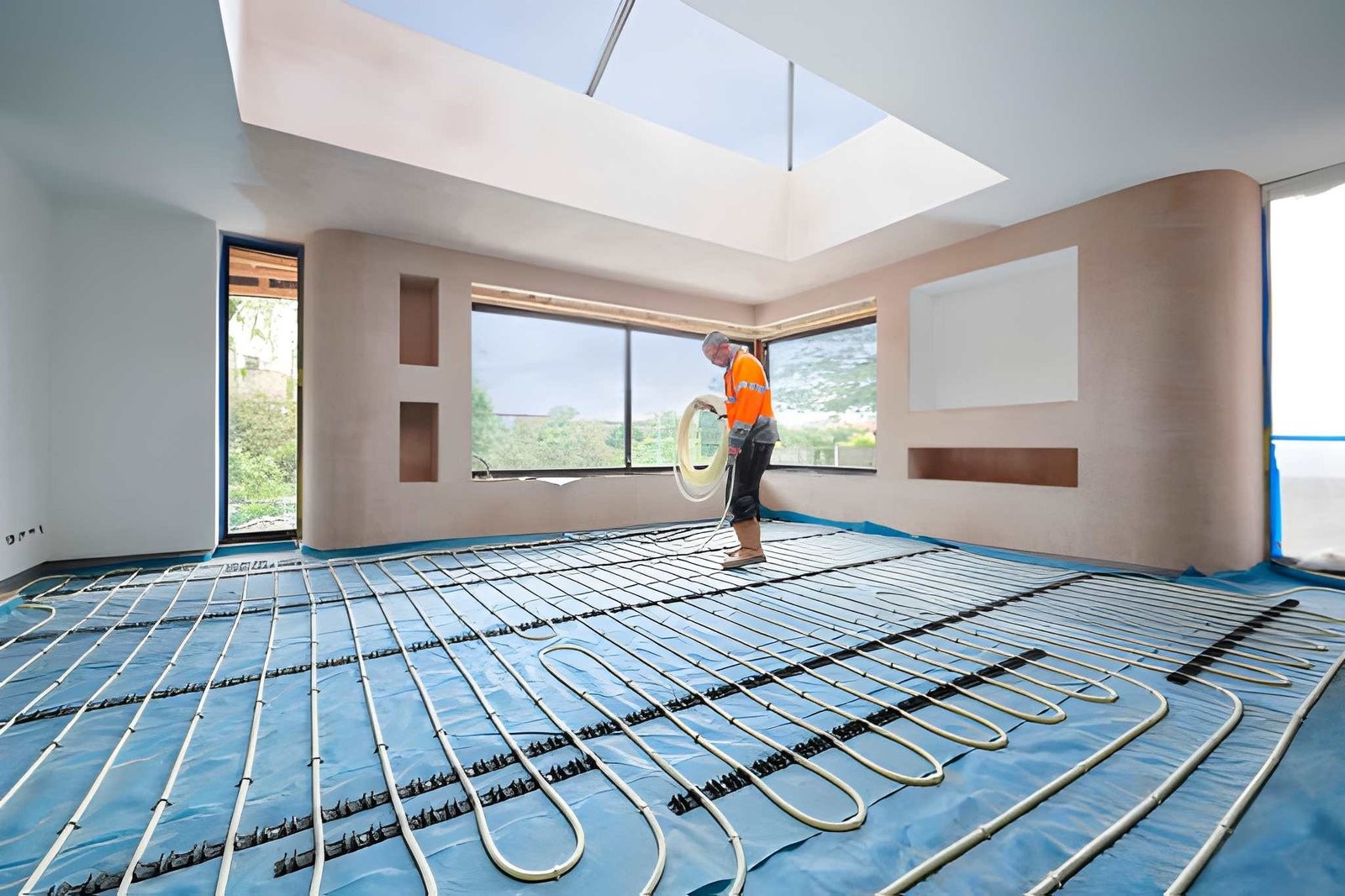
Think of a wet system as a massive, invisible radiator laid flat beneath your feet. It uses a network of strong, flexible plastic pipes hidden under the floor. Warm water loops through these pipes, powered by your central heating boiler or a modern heat pump.
When to choose it: If you are building a new house from scratch, doing a major extension, or ripping up all your floors anyway.
The biggest perk: They are incredibly cheap to run over time. Because the pipes cover so much ground, the water doesn't need to be boiling hot to warm the room up. This takes a massive load off your energy bills.
The catch: Installing them takes a fair bit of work. They can raise your floor level slightly, meaning doors might need trimming, and they cost more to fit at the start.
Electric Underfloor Heating (The Wire Route)
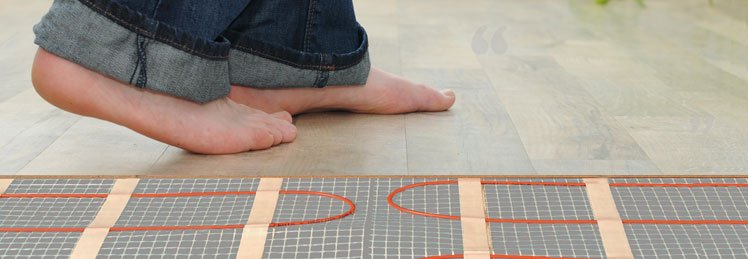
Instead of pipes and water, electric systems use ultra-thin wires or sticky heating mats that sit directly beneath your floor finish. They simply plug into your home's electricity grid to generate heat.
When to choose it: Perfect for single rooms, quick bathroom makeovers, or upstairs spaces where you don't want to mess with plumbing.
The biggest perk: They are a breeze to install. Because the mats are so thin, they won't mess with your floor heights, meaning you won't have to worry about weird steps between rooms.
The catch: Electricity is pricier than gas or heat pump energy in the UK. If you use an electric system to heat a massive kitchen-diner all day long, your electricity bills will definitely feel it.
Why Drop Traditional Radiators?
Apart from the sheer joy of walking around barefoot in winter, switching to underfloor heating gives your home some really practical upgrades:
No more cold spots: Radiators work by pushing hot air straight up to the ceiling. By the time that air cools down and drops back to the floor, it is chilly again. Underfloor heating warms the whole room evenly from the ground up.
Total design freedom: Radiators eat up valuable wall space. Getting rid of them means you can finally put your sofa, desk, or TV exactly where you want it without blocking your heat source.
Fresher, cleaner air: Because radiators constantly move air up and down, they cycle dust and pet hair around the house. Underfloor heating uses gentle, radiant heat that keeps the air still, which is a massive win if anyone in your house struggles with allergies or asthma.
What Sort of Costs Are We Talking About?
The total price tag depends entirely on the size of your space and the system you pick. If you just want to take the chill off a tiny en-suite with an electric mat, it can be done for a few hundred pounds.
For a large water-based system, the upfront cost for parts and professional plumbing will be higher. But remember, because water systems run so efficiently, you will end up clawing that money back through lower heating bills down the line.
If you want to check out some real prices and look at the gear yourself, head over to Underfloor Store. They are a trusted UK supplier and handle everything from simple DIY electric kits to heavy-duty commercial water systems, so you can easily see what fits your budget.
Quick Answers to Common Questions
Will it work under any type of flooring?
Pretty much! It performs best under stone, porcelain, and ceramic tiles because they let the heat pass through instantly. It also works beautifully with engineered wood, laminate, and luxury vinyl tiles (LVT). You can even use it under carpet, just make sure the underlay isn't too thick or it will trap the heat underneath.
How long does it take to warm up?
Electric systems are fast, usually getting nice and warm in about 30 minutes. Water systems take a bit longer to get going because they have to heat up the solid floor or screed above them first. The flip side is that once you turn a water system off, it holds onto that heat and stays warm for hours.
Can I fit it myself?
If you enjoy DIY, you can definitely lay down electric heating mats yourself to save on labour costs. However, you will still need a qualified electrician to wire everything into the mains safely. For water systems, it is always smartest to hire a professional installer to ensure the pipe layout is completely pressure tested and leak free before your flooring goes down.